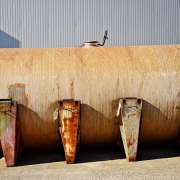
Repair or Replace? How to Decide When Your FRP Tank or Pipe Can Be Restored
Replacing an FRP tank or pipe run is never cheap, and it almost always means downtime you didn’t plan for. The good news is that most damage doesn’t call for a full replacement. In many cases, a properly executed fiberglass tank repair or an FRP pipe repair for a damaged line can restore structural integrity for a fraction of the cost and schedule impact. The real question isn’t whether your equipment is damaged; it’s whether that damage is still repairable.
When Damage Can Be Repaired
Most localized damage can be repaired with a patch, reline, or field-applied laminate. Nozzle modifications and manway installations fall into this category too, and Hudson Fiberglass handles these as routine custom fiberglass work rather than a reason to retire a tank for good. As part of a comprehensive Tank and Pipe Repair strategy, early fiberglass tank repair also helps minimize downtime and avoid more costly repairs later.
When Replacement Is the Safer Call
Some damage requires replacement. Widespread delamination, severe structural corrosion, or tanks and piping that no longer meet code or capacity requirements are usually better replaced than repaired. In these cases, fiberglass tank repair or FRP Pipe Repair is no longer a safe or cost-effective option. Pushing a repair on structurally compromised equipment doesn’t save money in the long run; it raises the same spill and containment risks the EPA outlines for aboveground storage tanks, and it just delays a failure. A field assessment against ASTM composite testing standards is usually enough to tell you which side of that line your equipment falls on.
Extending Service Life Without a Full Replacement

Between routine repair and full replacement sits a middle option facilities often overlook: protective measures that slow the next round of damage. A fresh fiberglass surface coating applied via our fiberglass surface coating services protects against UV exposure and chemical attack before it reaches the structural laminate, and field welding for tank seams or joints can extend service life on equipment that’s otherwise sound. Pairing these preventive steps with your regular inspection schedule is usually the most cost-effective way to keep FRP equipment in service longer.
Not Sure Which Way to Go?
If you’re not sure which side of the repair-or-replace decision your equipment falls on, don’t guess. Hudson Fiberglass has spent decades performing fiberglass tank repair, FRP pipe repair, and custom fiberglass fabrication for industrial clients who can’t afford unplanned downtime. Email our team for a field assessment, and we’ll give you a straight answer on whether your tank or pipe can be restored or needs to be replaced.